
2026 US Midterms: What a Power Shift Means for the World
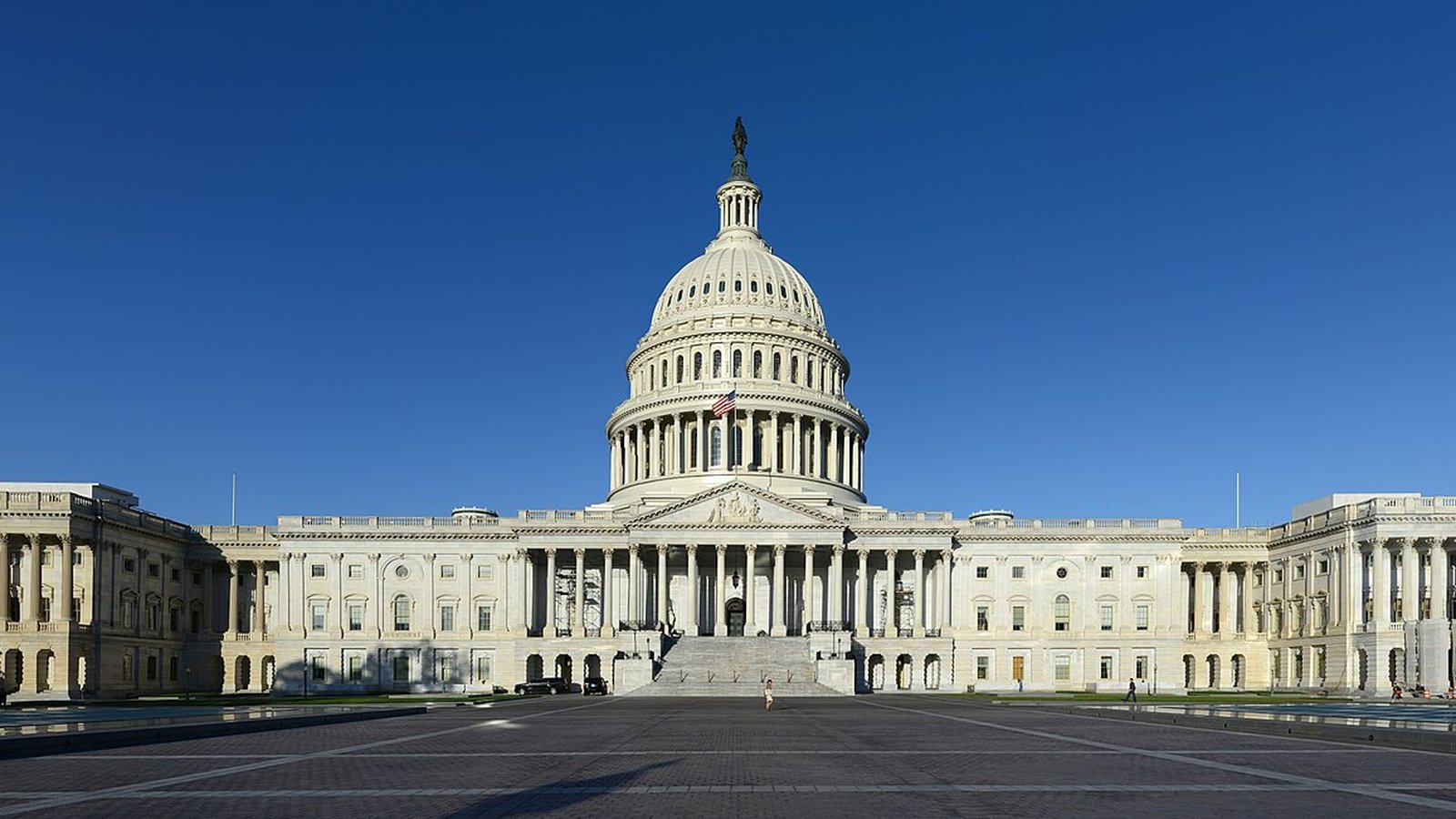
Photo: United States Capitol, Washington DC — Alvesgaspar / Wikimedia Commons, CC BY-SA 4.0
The 2026 US midterms, held on 3 November, are being read around the world as more than an American ritual. With all 435 seats in the House of Representatives, 35 of 100 Senate seats and 36 governorships on the ballot, the contest is widely seen as a referendum on President Donald Trump’s second term — and its result will ripple through global markets, trade policy and security for the next two years. For readers far from Washington, the question is simple: why does an election in one country move currencies, supply chains and diplomatic calendars everywhere else?
What the 2026 US midterms are contesting
Before polling day the Republicans held slender majorities in both chambers — a 53–47 edge in the Senate and a narrow margin in the House. To flip control, Democrats needed a net gain of just three seats in the House and four in the Senate. That arithmetic made the 2026 US midterms the most consequential in a decade, because a change in either chamber would hand the opposition real power over the federal budget, treaty appointments and oversight of the executive.
Turnout underlined the stakes. More than 52 million ballots were cast before election day, surpassing the 45.9 million early votes recorded in 2022, and total spending is estimated at roughly US$11.9 billion — the most expensive midterm in American history, according to the non-partisan OpenSecrets. The Department of Justice dispatched about 1,000 federal monitors, described as the largest such operation ever mounted.
A referendum on inflation, energy and the Iran war
Voters placed the cost of living at the centre of the campaign. A Pew Research Center survey found more than eight in ten registered voters calling the economy a major factor in their choice, and analysts noted that energy prices — pushed up by the conflict with Iran — had become a decisive grievance. The University of Virginia’s Larry Sabato told Chinese state television that roughly 70 percent of Americans considered the Iran war “not worth it,” a sentiment that weighed on the governing party.
President Trump’s approval slid below 40 percent in several late polls, with some measures near 32 percent, a weak backdrop for the party in power. Prediction markets reflected the shift: by election night, platforms such as Polymarket and Kalshi implied roughly a 94–99 percent chance of Democratic control of the House and a 73–98 percent chance in the Senate.
Markets reprice a possible power shift
As early returns pointed to Democratic strength, global markets moved immediately. The table below summarises the first reaction on 4 November, as bettors raised the odds of a “blue wave.”
| Asset | Move | Driver |
|---|---|---|
| S&P 500 futures | −0.9% to −1.0% | Fiscal-loosening and tech-regulation worries |
| Nasdaq 100 futures | −2.0% | AI and data-centre stocks sensitive to stricter rules |
| US dollar (broad) | −0.4% | Uncertain fiscal path; euro +0.6% to 1.1258 |
| 10-year Treasury yield | −7 bps to 4.89% | Lowest since early September on safe-haven bid |
| Asian equities (MSCI AP) | −1.1% | Korea’s KOSPI fell 3.59% as risk appetite dipped |
| VIX futures | rose above 20 | Anxiety gauge crosses a key threshold |
The logic is straightforward. A Democratic House would intensify scrutiny of federal spending and could reverse parts of the 2025 tax-and-spending law — analysts at Goldman Sachs estimated around US$8.5 billion (0.25 percent of GDP) in cuts could be unwound, alongside the restoration of about US$50 billion a year in health-insurance subsidies. Markets also priced the probability of selective tariff rollbacks, particularly on Canadian goods. The counterweight is gridlock: divided government complicates the December 11 spending deadline and the debt ceiling, which must be raised by October 2027.
Trade, tariffs and the transatlantic watch
No region is watching more closely than Europe. Italian exporters of cars, fashion and industrial goods have already felt the bite of Trump-era tariffs, and a more assertive Congress could either restrain or accelerate trade confrontation. The presidential toolkit — Section 301 investigations and emergency economic powers — remains broad regardless of who controls the Hill, so a shift in the House changes the tone more than the legal authority.
Canada, for its part, is hedging. Prime Minister Mark Carney said on 1 November that Ottawa and Washington would finalise a “mutually beneficial” trade agreement within weeks, while Foreign Minister Anita Anand has promoted a “middle-power diplomacy” aimed at doubling non-US trade within a decade. For a deeper look at how Washington’s trade architecture has evolved this year, see our earlier brief on October’s export-control surge.
Security, tech and the limits of a divided Washington
The election lands against a tense geopolitical backdrop. A G20 foreign ministers’ meeting in Atlanta on 31 October broke up without consensus, overshadowed by the war in Ukraine and the standoff with Iran. A Congress opposed to the Iran war would press the White House on troop deployments and the oil-price shock that flows from it — Brent crude hovered near US$106 a barrel as markets weighed whether diplomacy or renewed strikes would prevail.
Technology is the other fault line. Federal AI and semiconductor rules may still attract bipartisan compromise, but state-level regulation is likely to tighten under Democratic governors, and investors fear a “blue wave” could mean tougher oversight of data centres and platforms — a key reason Nasdaq sold off. For the monetary context behind these moves, our Trade Briefs archive has traced how energy-driven inflation pushed policymakers back toward tightening.
The deadlines that will move markets
Whoever controls Congress, the calendar now dictates the agenda. The key dates:
| Date | Event | Stakes |
|---|---|---|
| 11 Dec 2026 | Spending authorisation expires | Government funding must be agreed or extended |
| Jan 2027 | New Congress convenes | Committee chairs and investigative power reset |
| By Oct 2027 | Debt ceiling must rise | Default risk if divided government stalls |
| Jan 2029 | Presidential term ends | Unchanged by the midterms |
Each of these is a potential flashpoint for volatility, and each will be negotiated against the backdrop of an election that, whatever its final certification, has already redrawn the balance of power in Washington.
Why this matters for the global order
The 2026 US midterms matter abroad precisely because American fiscal, trade and security decisions are made in Washington but felt everywhere. A shift toward divided government typically slows unilateral action and forces coalition-building — sometimes reassuring allies, sometimes unnerving markets that prize predictability. For international businesses, the lesson is to plan for a more contested, less predictable policy environment through 2027, and to watch the December funding fight and the debt-ceiling clock as the first real tests of the new balance. The world is not a bystander to this election; it is a stakeholder in its outcome.
NEGUP Group publishes a trade brief every week. Talk to us about sourcing, quality control and consolidated logistics.
WhatsApp +86 153 0769 0902